Entering the Brazilian iGaming market without a deep understanding of local payment behavior is one of the most common—and costly—mistakes operators make, because unlike more mature markets where global payment methods dominate, Brazil operates within a highly localized financial ecosystem where trust, speed, and familiarity dictate whether a user completes a deposit or abandons the platform altogether.
While many platforms focus heavily on game selection, bonuses, or user interface design, the reality is that payment experience is often the single most decisive factor influencing conversion rates, retention, and long-term player value, particularly in a market where users expect transactions to feel instant, seamless, and completely reliable from the very first interaction.
Understanding the Brazilian Payment Mindset
Brazilian players approach online payments with a unique mix of caution and expectation, meaning that while they are highly engaged with digital platforms and mobile banking solutions, they are also extremely sensitive to friction, delays, or unfamiliar systems, which creates a situation where even a minor inconvenience—such as a declined transaction or a slow withdrawal—can result in immediate loss of trust and permanent churn.
Looking for casino news in Brazil? Click to see
This is why successful operators in Brazil do not simply “offer multiple payment options,” but instead prioritize deeply integrated, locally trusted methods that align with everyday financial behavior, ensuring that users feel comfortable and confident throughout the entire transaction process.
PIX: The Core Infrastructure of iGaming Payments in Brazil
It is impossible to discuss iGaming payment methods in Brazil without placing PIX at the center of the conversation, as this instant payment system—developed and regulated by the Central Bank—has fundamentally transformed how money moves within the country by enabling real-time transfers that are available 24 hours a day, seven days a week, without the delays or fees traditionally associated with banking systems.

From an operational perspective, PIX offers a level of efficiency and user satisfaction that is difficult to match, since deposits are completed within seconds, confirmations are immediate, and the process itself is simple enough to be completed in just a few taps, which collectively leads to significantly higher conversion rates and reduced friction at the most critical stage of the user journey.
For this reason, any iGaming platform that aims to compete seriously in Brazil must treat PIX not as an optional feature, but as a foundational component of its payment infrastructure, without which a large portion of potential users may never even complete their first deposit.
Legal Requirements for Online Casinos in Brazil 2026 | Click to see
Boleto Bancário: A Slower Method with Strategic Value
Although it may appear outdated when compared to instant payment solutions, Boleto Bancário continues to play a meaningful role within the Brazilian payment landscape, particularly among users who prefer traditional methods or who may not have access to certain digital banking features, as it allows transactions to be completed through generated payment slips that can be paid via banking apps or physical locations.
Despite its slower processing time—typically ranging from one to three business days—Boleto remains valuable because it expands accessibility and reinforces trust among specific user segments, making it a useful complementary option within a broader payment strategy, especially for operators who aim to capture a wider demographic rather than focusing exclusively on speed-driven users.
Credit and Debit Cards: Still Relevant, Yet Less Reliable
While credit and debit cards such as Visa and Mastercard are globally recognized and widely used, their effectiveness within the Brazilian iGaming sector is somewhat limited due to higher decline rates, banking restrictions on gambling-related transactions, and the ongoing risk of chargebacks, all of which introduce friction at a point where users expect simplicity and certainty.
As a result, cards tend to function best as a secondary or supplementary payment method, particularly for users making larger deposits or those who are already familiar with the platform, rather than serving as the primary driver of transaction volume.
E-Wallets: Efficiency for a Specific User Segment
E-wallet solutions like Skrill and Neteller provide an additional layer of flexibility and privacy, particularly for experienced players who value faster processing times and the ability to manage funds across multiple platforms, yet their adoption in Brazil remains relatively limited when compared to local solutions such as PIX.
This is largely due to the additional steps required for setup, potential currency conversion fees, and lower overall familiarity among the general population, which means that while e-wallets can enhance the payment ecosystem, they should be positioned as an optional enhancement rather than a core component.
Cryptocurrencies: Emerging but Not Yet Mainstream
Cryptocurrency payments are gradually gaining traction within the iGaming industry, offering advantages such as decentralization, speed, and reduced dependency on traditional banking systems; however, in Brazil, their role is still evolving, as widespread adoption is hindered by volatility concerns, regulatory ambiguity, and a lack of mainstream trust among average users.
For operators, this makes crypto an interesting strategic addition—particularly for targeting niche audiences or international players—but not yet a replacement for established local payment methods.
The Direct Link Between Payment Experience and Revenue
What distinguishes high-performing iGaming platforms from underperforming ones is often not the number of payment methods offered, but the quality and efficiency of the payment experience itself, since faster deposits lead to immediate engagement, smoother withdrawals build long-term trust, and reliable systems encourage repeat transactions.
Conversely, any friction within the payment flow—whether caused by delays, technical issues, or unclear processes—can significantly reduce conversion rates, increase abandonment, and ultimately erode user confidence, making it essential for operators to continuously optimize this aspect of their platform.
Why Payment Aggregators Are Becoming Essential?
Given the complexity of managing multiple payment methods and providers, many operators are turning to payment aggregators, which allow them to integrate various local and global solutions through a single interface, thereby simplifying operations, improving transaction success rates, and accelerating deployment timelines.
In a market like Brazil, where payment preferences are both diverse and rapidly evolving, this approach not only reduces technical overhead but also provides the flexibility needed to adapt to changing user expectations without requiring constant redevelopment.
Looking Ahead: The Future of iGaming Payments in Brazil
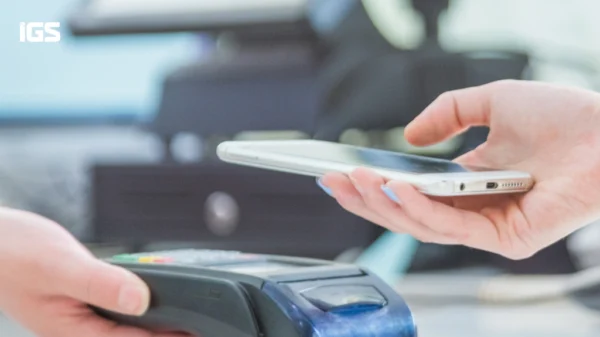
As Brazil continues to expand its regulatory framework and digital infrastructure, the payment landscape is expected to evolve toward even faster, more secure, and more mobile-centric solutions, with PIX maintaining its dominant position while new innovations emerge to enhance both deposit and withdrawal experiences.
Operators who stay ahead of these trends—by investing in localized solutions, optimizing transaction flows, and prioritizing user trust—will be best positioned to capture long-term growth in one of the world’s most promising iGaming markets.
Conclusion
Ultimately, success in Brazil’s iGaming sector depends not on offering the widest range of payment methods, but on delivering a payment experience that feels instant, familiar, and completely trustworthy, because in a market where users have little tolerance for friction and countless alternatives at their fingertips, even a single failed transaction can be enough to lose them permanently.